


There’s no denying that a genuine working burglar alarm acts as an effective deterrent, but what about a fake one? It’s a question we’re often asked by businesses, so we’ve deep diving into deterrence, the dynamics of fake burglar alarms and if they really are an effective deterrent?
The stakes for commercial security are higher than ever. According to the latest data, police recorded crime levels in England and Wales show that while some categories have stabilised, business-related theft and shoplifting have seen significant surges, making the decision between a “dummy” box and a certified system a critical financial consideration.
The fundamental principle behind burglar alarms, whether real or fake, is rooted in the psychology of deterrence. Criminals want easy targets and will often move onto another site that opposes less risk and is less likely to draw attention. The visible presence of a security system sends a powerful message to potential intruders – that entering this premises comes with a risk of detection and apprehension. This psychological deterrent effect is what both genuine and fake burglar alarms aim to achieve. Many firms operating in high-risk sectors like logistics or retail find that visible layers of security are essential to divert sophisticated criminals toward softer targets.

Fake burglar alarms are considerably more affordable than their genuine counterparts, as they just require an external bell box or cover. This makes them an attractive option for businesses on a budget who still wish to create the perception of a secure site. However, business owners should consider which commercial security system offers better ROI when factoring in potential loss from a successful breach.
Installing a fake burglar alarm is a simple process that doesn’t require complex wiring or professional assistance. This ease of installation makes them a convenient option for those seeking a quick security solution with little to no labour costs.
The main benefit of fake burglar alarms lies in their visual impact. From a distance, these replicas closely resemble authentic systems and create the illusion of a comprehensive security system. For smaller units, such as those found in office environments, this might seem like enough to discourage the casual opportunist.

While fake burglar alarms may deter some opportunistic intruders, they lack the ability to provide real-time protection. Genuine burglar alarms and security systems offer notification of break-ins, active monitoring, immediate alerts, and response capabilities that will enhance a site’s overall security.
Without a real connection, you lose the benefits of remote monitoring, which can provide 24/7 oversight even when the premises are vacant.
Criminals are becoming smarter and are aware of fake burglar alarms. Many therefore know what to look for to determine whether one is fake or not, resulting in them not being effective deterrents in the long run.
Professional burglars often look for high-quality accreditations displayed on the box; if a box lacks the branding of a recognised NSI or SSAIB installer, it is often flagged immediately as a dummy. Furthermore, experienced intruders look for the absence of flashing LEDs or the presence of faded plastic that suggests the unit isn’t powered.
One often overlooked downside of dummy systems is the impact on your commercial insurance. Most insurers will require a minimum level of security, and what insurers look for in security certifications usually involves a working, graded system. Reports show that the average cost of a commercial burglary in the UK can run into tens of thousands of pounds when including property damage and business interruption. If you have informed your provider that an alarm is present, but it is found to be a fake following a claim, your policy could be voided.
Understanding intruder alarm grades is essential here, as a Grade 2 or 3 system is often a mandatory requirement for businesses in the factory or warehouse sectors.
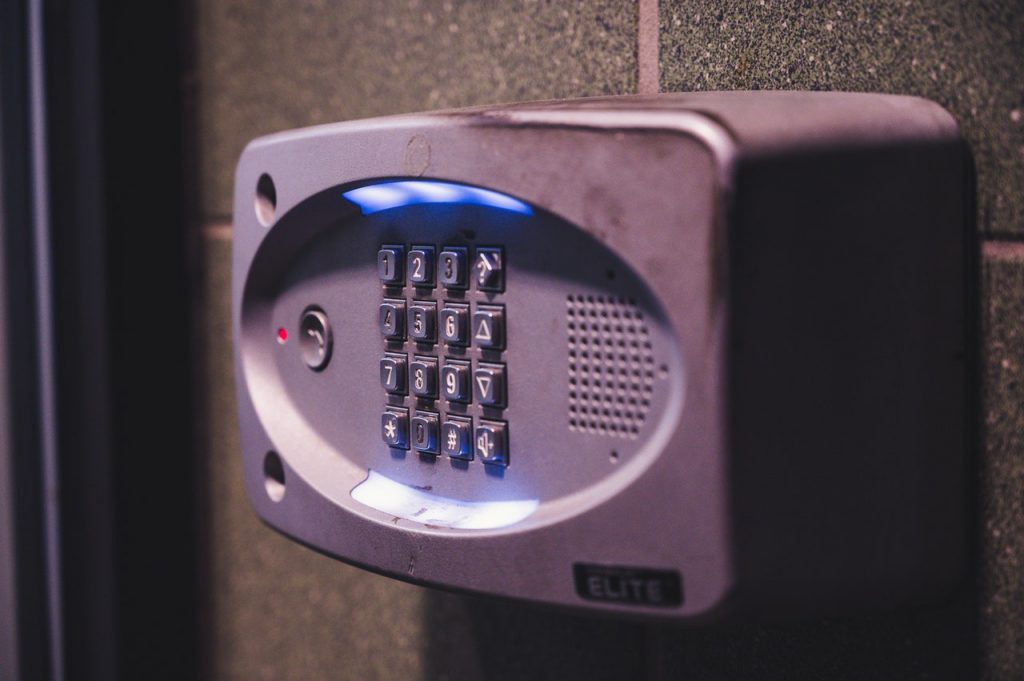
When it comes to deciding whether fake burglar alarms are effective, it can be said that to some degree they can be effective in deterring criminals and are a low-cost alternative to a genuine burglar alarm system. However, criminals are becoming savvy to fake systems which means they may not be as much of a deterrent as they once were. In addition, if a break-in was to occur, the fake burglar alarm would not notify the site keyholder, sound a loud alarm or be picked up by an alarm monitoring company to action a police response.
Therefore, for optimal site security, a balanced approach is often recommended. Integrating genuine security measures with visible fake burglar alarms can enhance the overall deterrent effect. Genuine systems provide active protection, while fake alarms contribute to the psychological deterrent, creating a multi-layered defence strategy. Modern businesses are increasingly looking at commercial security trends which favour integrated technology over standalone physical deterrents. For example, integrating intruder alarms with fire safety ensures that your building is protected from multiple threats simultaneously, something a dummy box could never achieve.
At BusinessWatch, we install, maintain and monitor advanced intruder alarm systems for business sites across the UK. We are specialists in bespoke security systems and will design a solution to suit the needs of your site, whether you operate in the healthcare sector or manage a large-scale property portfolio.
Proudly trusted by leading organisations, get in touch to find out more or to receive a free quote.


