

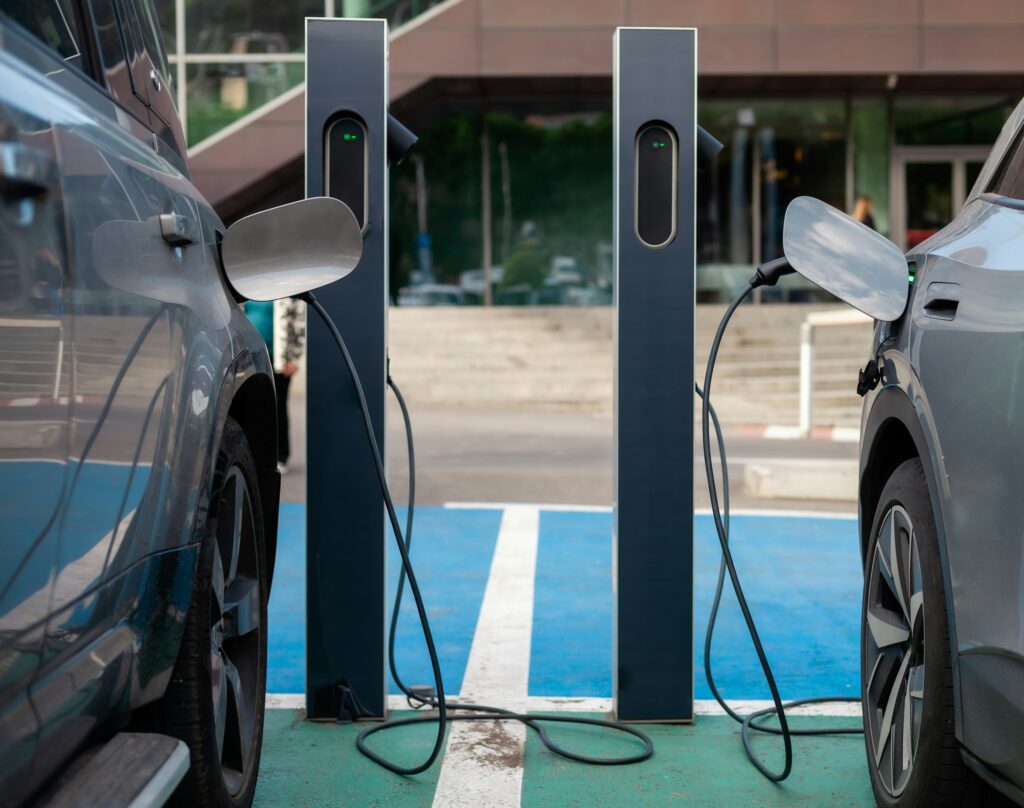
The UK’s EV charging network is expanding rapidly, and has seen many new charge points being installed across rural communities, fleet depots, transport hubs, and public locations. Although this rollout is helping to improve charging accessibility, it has also created a growing security challenge. In many cases, the deployment has outpaced the measures that are needed to protect sites, especially in remote locations where charge points can be left unattended for long periods.
Industry reports have linked isolated, unmanned charging locations to a rise in organised copper theft, with criminals targeting EV charging cables for their scrap value. This means that protecting infrastructure has become just as important as expanding it.
In this article, we explore why these sites are vulnerable, what’s driving the rise in theft, and how organisations can reduce risk through physical security, remote monitoring, and AI-powered detection.
The main reason people cut EV charger cables is to access the copper contained within them. Copper is a valuable commodity and can be sold through illicit scrap metal channels, which makes charging infrastructure an attractive target for thieves who are looking for a quick return.
While some incidents are opportunistic, many are linked to organised groups that target multiple charging locations in a single operation. Remote sites with limited surveillance, low footfall, and long periods without staff presence are particularly vulnerable, as they offer a lower risk of detection while still providing access to valuable materials.
As the demand for EV charging infrastructure has grown, the priority for many operators has been to expand coverage and get new charge points online as quickly as possible. This approach has helped to improve accessibility, but security has not always kept pace with deployment, especially at rural and semi-rural locations where charging provision can be limited.
Unlike urban charging sites, which often benefit from existing CCTV coverage, street lighting, nearby businesses, and regular footfall, rural charging locations are frequently more isolated. Many are unmanned for extended periods and see very little activity outside of peak usage times. This makes them predictable targets for criminals who are looking to steal valuable copper-containing assets with a reduced risk of being challenged or detected.
The financial impact of EV charging cable theft extends beyond the value of the stolen cable. Once a charger is damaged, operators will face immediate downtime whilst the repairs are arranged and replacement components are sourced. For public charging networks, fleet operators, and local authorities, this can result in lost revenue, disrupted services, and frustrated users who depend on reliable charging access.
There are also wider operational and reputational costs to consider. Insurance claims, emergency call-outs, replacement lead times, and repeat visits from contractors can quickly increase the overall expense of an incident. Frequent outages can also damage confidence in a charging network, especially in rural areas where users might have limited alternative charging options nearby.
Reducing the risk of EV charging theft starts with making sites less attractive and more difficult to target. Physical security measures such as cable armouring, secure anchor points, tamper-resistant housings, and robust charger enclosures can help to increase the time and effort that’s required to remove valuable components. The design of the site also plays an important role – good lighting, clear signage, and visible security measures can all help to deter potential offenders.
The most effective protection is usually achieved through a combination of measures rather than a single solution. Common forms of EV charging cable anti-theft protection include:
Traditional security measures alone might not provide sufficient protection for remote and unmanned locations. Smart security systems can provide the solution, connecting CCTV, intruder alarms, and access control so they work together and respond automatically.
When combined with professional CCTV monitoring, a smart security setup can support faster intervention and strengthen overall EV charging cable theft tracking capabilities. These systems can be managed and diagnosed remotely, so operators can gain better visibility across charging networks whilst helping to reduce downtime, losses, and repeat incidents.
As EV charging networks continue to expand, securing each site needs to be part of the infrastructure strategy from the outset. BusinessWatch can help operators to assess vulnerabilities across public charging locations, rural sites, fleet facilities, and other critical infrastructure, putting the right combination of physical security, CCTV, and remote monitoring in place.
Contact us to find out how BusinessWatch can help protect your EV charging infrastructure, reduce the risk of cable theft, and maintain a reliable service across your network.


