

Martyn’s Law is set to bring new security requirements for organisations across the UK, including schools, universities, shopping centres and other public spaces. With the legislation expected to come into force in spring 2027, now is the time to review your existing security arrangements, understand what is required and make sure you are prepared.
Martyn’s Law, officially known as the Terrorism (Protection of Premises) Act 2025, is new legislation designed to improve public safety and help protect people from terrorist attacks.
The law is named after Martyn Hett, one of the 22 people killed in the Manchester Arena attack in 2017. Following the attack, Martyn’s mother, Figen Murray, campaigned for better security measures to help prevent similar tragedies.
The legislation introduces new responsibilities for certain organisations to improve how they prepare for and respond to potential terrorist attacks.
In simple terms, it means organisations that welcome members of the public onto their premises will need to think about how they would keep people safe if an attack happened. This includes:
Martyn’s Law received Royal Assent on 3 April 2025 and is expected to come into force in spring 2027.
This gives organisations time to understand the requirements and review their current arrangements before they become legally binding.

Martyn’s Law applies to certain publicly accessible premises and events across England, Scotland, Wales and Northern Ireland.
This includes many organisations and environments where people regularly gather, such as:
The legislation uses the number of people who could reasonably be expected to be on the premises at the same time to determine which requirements apply.
There are two main levels, known as the standard tier and the enhanced tier.
The standard tier generally applies to qualifying premises where between 200 and 799 people may reasonably be expected to be present at the same time.
Organisations in this category will need to have appropriate emergency procedures in place, covering evacuation, invacuation, lockdown and communication.
Importantly, certain premises, including childcare settings, schools, colleges and places of worship, remain in the standard tier even if they can accommodate 800 or more people.
The enhanced tier applies to qualifying premises where 800 or more people may reasonably be expected to be present at the same time.
This can include larger entertainment venues, shopping centres and universities.
In addition to having emergency procedures, enhanced-tier organisations will need to assess potential security risks and consider what additional measures could help reduce them. These include monitoring activity, controlling the movement of people, improving physical security and protecting sensitive information about the premises.
The requirements are designed to be proportionate. Not every organisation will need the same security measures, and the law does not require every premises to install specific equipment.

The main aim of Martyn’s Law is to make sure organisations know how to respond if a terrorist attack takes place.
For standard-tier premises, this means having four key emergency procedures in place.
Evacuation means getting people out of a building or area and away from danger.
Organisations should consider how people can leave safely, which exits are available and how staff will guide visitors, customers, pupils or employees during an emergency.
Invacuation means moving people away from danger to a safer place inside the building.
For example, if there is a threat outside a school or shopping centre, it may be safer to bring people indoors rather than send them outside.
Organisations should identify suitable safe areas and make sure staff know how to direct people towards them.
Lockdown means securing a building or specific areas to prevent people entering or leaving.
This could involve locking doors, closing shutters, securing gates or restricting access to certain parts of a building.
A lockdown may be necessary if there is a threat inside or close to the premises. The aim is to prevent an attacker from gaining access and move people away from immediate danger.
Clear communication is essential during an emergency.
Organisations need to consider how they will alert staff, visitors and other people on site, and how instructions will be shared quickly.
This could involve public address systems, alarms, internal communication systems or direct instructions from staff.
These procedures need to work in practice, not just exist in a written document. Staff should understand their responsibilities and know how to put the procedures into action.
Lockdown procedures are an important part of preparing for a potential security incident. However, simply having a lockdown policy is not enough. Organisations also need to consider whether they have the right systems, equipment and communication methods to carry it out effectively.
This is particularly important in larger buildings, schools and public spaces where there may be several entrances, multiple floors or large numbers of people moving around.
There are several areas organisations should review.
Think about how quickly doors, gates and other access points can be secured during an emergency.
For example:
Access control systems can help organisations manage who enters their premises and restrict access to specific areas when needed.
Not every emergency will require an entire building to be locked down. In some situations, a full lockdown may be necessary. In others, it may be safer to secure a particular building, floor or section of a site.
Schools and universities, for example, may have several buildings spread across a large campus. Being able to secure individual areas can give staff greater control over how they respond to an incident.
Organisations should consider which approach would work best for their premises and make sure staff understand the different procedures.
During an emergency, staff need to be able to act quickly. Having separate security systems that do not communicate with one another can make it harder to manage an incident.
Integrated security systems bring different technologies together, such as CCTV, access control and alarm systems. This can help security teams monitor activity, manage access and respond more effectively.
At BusinessWatch, we offer a fully connected managed fire and security service, which sees all your systems integrated with each other. Click here to find out more.
People need clear instructions during an emergency, particularly in busy environments where visitors may be unfamiliar with the building.
Organisations should consider how they will communicate with everyone on site, including staff, visitors, contractors and people who may need additional assistance.

Schools, colleges and universities face particular challenges when it comes to keeping their premises secure.
Many education settings have multiple buildings, external play areas, sports facilities, visitor entrances and shared spaces. They also welcome a wide range of people throughout the day, including pupils, students, parents, staff, contractors and visitors.
Although many schools and colleges already have lockdown procedures as part of their safeguarding arrangements, Martyn’s Law provides an opportunity to review whether these are suitable and effective.
Some important areas to consider include:
Visitor management: Are visitors, contractors and other guests properly signed in and given access only to the areas they need?
Building access: Can external doors, gates and individual buildings be secured quickly if an incident occurs?
CCTV coverage: Are entrances, playgrounds, car parks and other important areas covered by CCTV? Can authorised staff access footage when needed?
Staff training: Do teachers, support staff, reception teams and facilities staff know what to do during a lockdown or other emergency?
Larger sites: Can different buildings or sections of a campus be secured independently?
Universities may have additional considerations due to their size and the number of people using their facilities. Student accommodation, libraries, sports centres, lecture theatres and public events can all create different security challenges.
Universities that meet the 800-person threshold may fall into the enhanced tier, meaning additional risk assessments and security measures will be required.

Shopping centres, retail parks, entertainment venues and visitor attractions also need to consider how they would manage a security incident.
These environments can be particularly challenging because of the number of visitors, multiple entrances and exits, busy public areas and people who may be unfamiliar with the premises.
For example, a shopping centre may need to consider how it would:
For larger premises in the enhanced tier, organisations will also need to consider how they identify and reduce potential security weaknesses.
This may include reviewing CCTV coverage, access control, perimeter security and how people move around the premises.
Martyn’s Law does not require every organisation to install new security equipment. However, having the right systems in place can make it easier to manage access, monitor activity and respond to an emergency.
At BusinessWatch, we work with organisations across the education and public-space sectors to design, install and maintain security systems that help protect people, buildings and assets.
Depending on the needs of the premises, several types of technology can support an organisation’s wider security arrangements.
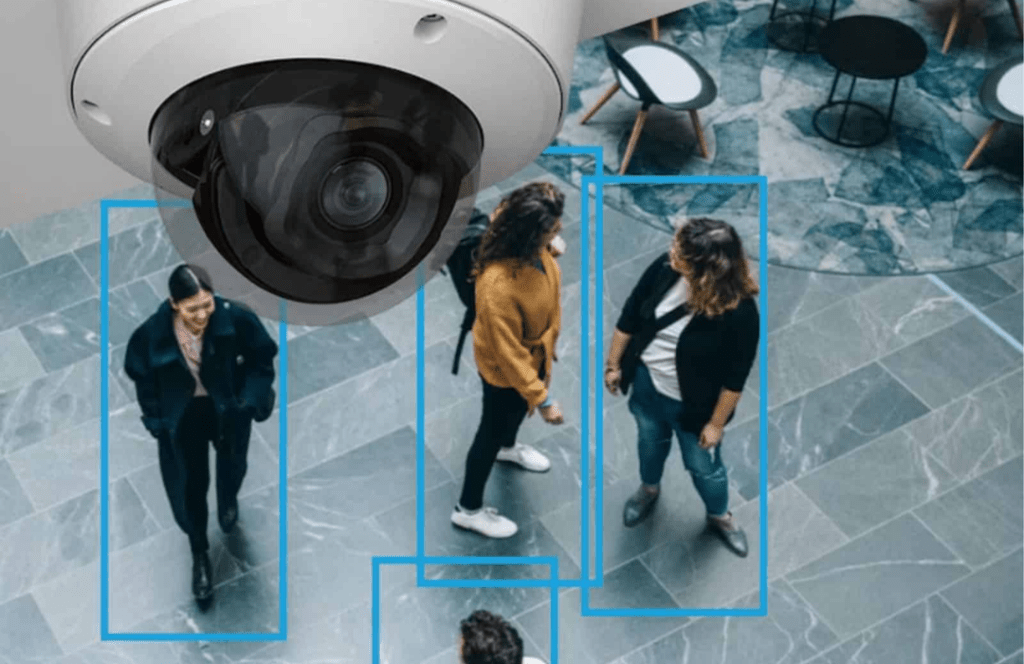
CCTV provides visibility across buildings and external areas, helping security teams monitor activity and identify potential security concerns.
Well-positioned cameras can help cover entrances, car parks, corridors and other important areas. Modern systems also allow authorised users to access footage remotely, where configured to do so.
Access control helps organisations manage who can enter their buildings and restricted areas.
Electronic systems can use access cards, keypads or other credentials to allow authorised entry. They can also help manage access during an emergency, depending on how the system is designed and configured.
Dynamic lockdown systems allow authorised personnel to secure selected doors or areas quickly when a threat is identified.
Rather than relying on staff to manually secure every entrance, a suitable system can help coordinate access restrictions across a building or site. This can be particularly useful for schools, universities and larger premises with multiple access points.
Bringing different security technologies together can help organisations manage their premises more effectively.
For example, integrating CCTV with access control can give security teams a clearer picture of what is happening across a site and help them respond to incidents more efficiently.
The most suitable solution will depend on the size of the premises, the existing infrastructure and the risks identified.
With Martyn’s Law expected to come into force in spring 2027, organisations should start reviewing their security arrangements now.
Here are five practical steps to help you get started.
Look at the type of premises you operate and how many people may reasonably be expected to be present at the same time. This will help you understand whether the standard or enhanced tier applies.
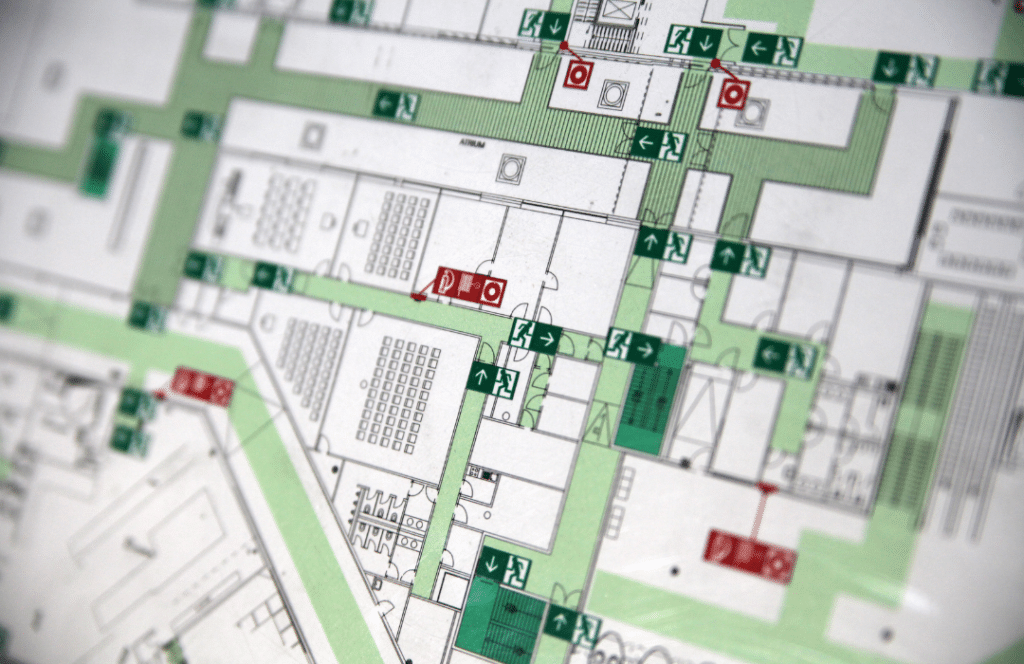
Look at your current evacuation, invacuation and lockdown plans. Are they clear? Do they cover different types of emergencies? Can staff put them into action quickly?
Review your CCTV, access control and other security equipment. Consider whether they provide suitable coverage and whether they support your emergency procedures.
Even the best security systems are only effective if people understand how to use them. Make sure relevant staff know their responsibilities and understand how to respond during an emergency.
Once you have reviewed your procedures and equipment, identify any gaps. This could include areas without CCTV coverage, entrances that are difficult to secure or communication systems that need improving.
The Security Industry Authority (SIA) has also published planning tools to help organisations understand what they need to do under the legislation. These are a useful starting point when reviewing your arrangements.

Martyn’s Law is an important step towards improving public safety and making sure organisations are better prepared for potential security threats.
For schools, universities, shopping centres and other public-facing organisations, preparation starts with understanding the risks, reviewing existing procedures and making sure the right security measures are in place.
At BusinessWatch, we provide tailored fire and security solutions to help organisations protect their people and premises. From CCTV and access control to integrated security systems, we work with you to understand your requirements and identify solutions that support your wider security arrangements.
If you are reviewing your security arrangements ahead of Martyn’s Law, speak to the BusinessWatch team to find out how we can help.


