


A security system for a large business is one of the best investments that a business can make. Not only can a security system protect the safety of employees and visitors, but it also protects against the impacts of security breaches and other security and safety risks. Business sites can be high-risk for crime, making a security system an essential asset for many. But what are the best security systems for large businesses? How do you know what type of system you need and how do you go about getting it installed? We’ve put together all you need to know in our handy guide.
There are many reasons for installing a security system for a large business. The most important benefit is that it can reduce the risk of the site becoming a victim of crime, whether that be trespassing, theft or vandalism. Your site, business and employees will therefore be better protected and their safety and security improved with a security system in place. Commercial properties often face unique vulnerabilities, and understanding how to build a security-first culture in your workplace is the first step toward mitigating these threats effectively.
If you think your business is unlikely to be a victim of crime, think again. Recent data from the recent Commercial Victimisation Survey reveals that 19% of business premises in England and Wales were victims of crime, with the wholesale and retail sectors experiencing the highest rates of incidents. These figures highlight a persistent threat to commercial infrastructure, where theft remains the most common offence.
Installing a security system may also be a requirement of your insurance policy or will act to reduce your insurance premiums, due to your site being classed as lower risk. Insurers often mandate specific levels of protection, and it is vital to understand security system certification and what insurers look for when assessing your premises for coverage.
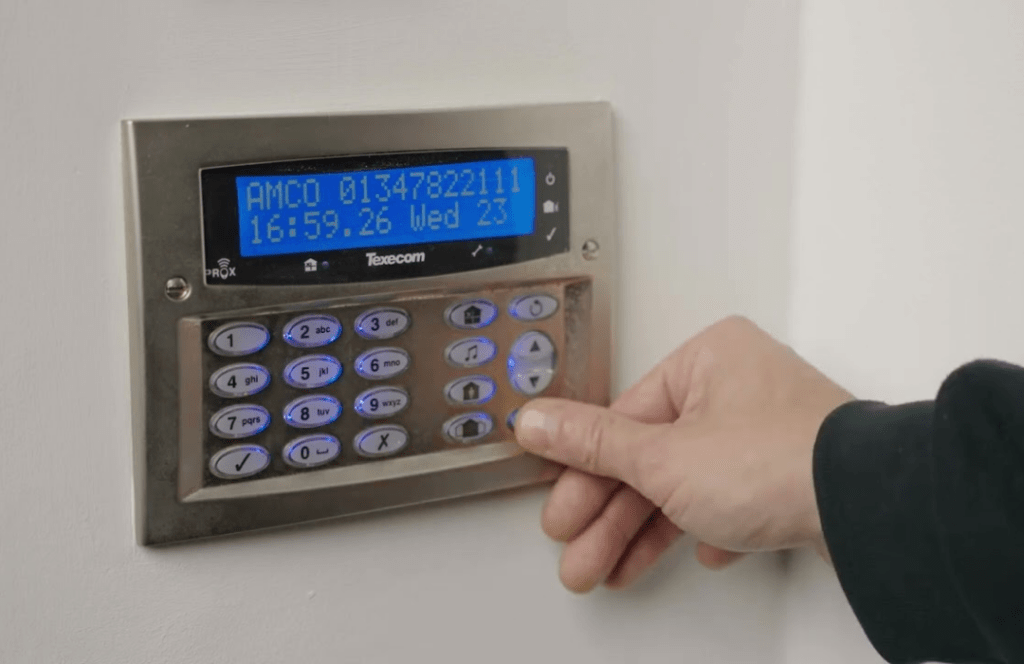
There are various different system types that fall under the term ‘security system’.
CCTV stands for closed circuit television and is also known as VSS (video surveillance systems). A CCTV system involves strategically placing cameras around a site. These transmit the recorded video footage to a display monitor, allowing for live video monitoring or playback. There are various different types of CCTV systems and components that can be added, such as night vision cameras, video analytics software, ANPR (auto number plate recognition) cameras and more, making it completely tailored to a business’s needs and requirements. Modern enterprises are increasingly moving toward why cloud-based security is safer than on-premise in 2025, offering better scalability and remote access.
Intruder alarm systems act to trigger a loud alarm siren when a non-authorised entry has been made into a site or specific area. Motion or sensory sensors are placed in key rooms or entranceways and when the system is armed, will trigger the alarm sound. Again, these systems can be completely tailored to the site and act as an effective security measure against theft and intrusion. Intruder alarm systems can be monitored or unmonitored. It is also beneficial to ensure what your employees should know about intruder response procedures is clearly communicated to prevent panic during an activation.
Access control systems are another type of security system which help control who has access to a site or specific area. It allows businesses to only allow access to certain individuals for certain site areas, with the use of a keypad, key fob or even facial recognition. For example, only allowing employees to access a back room of a retail space, or authorised employees to access a room full of highly secure documents. Access control helps prevent security breaches as well as keep employees safe in the event of an emergency, by being able to block off and lock certain areas and trapping a criminal. Organizations with high footfall often find that managing access control in large commercial premises requires a tiered approach to ensure both security and operational flow.
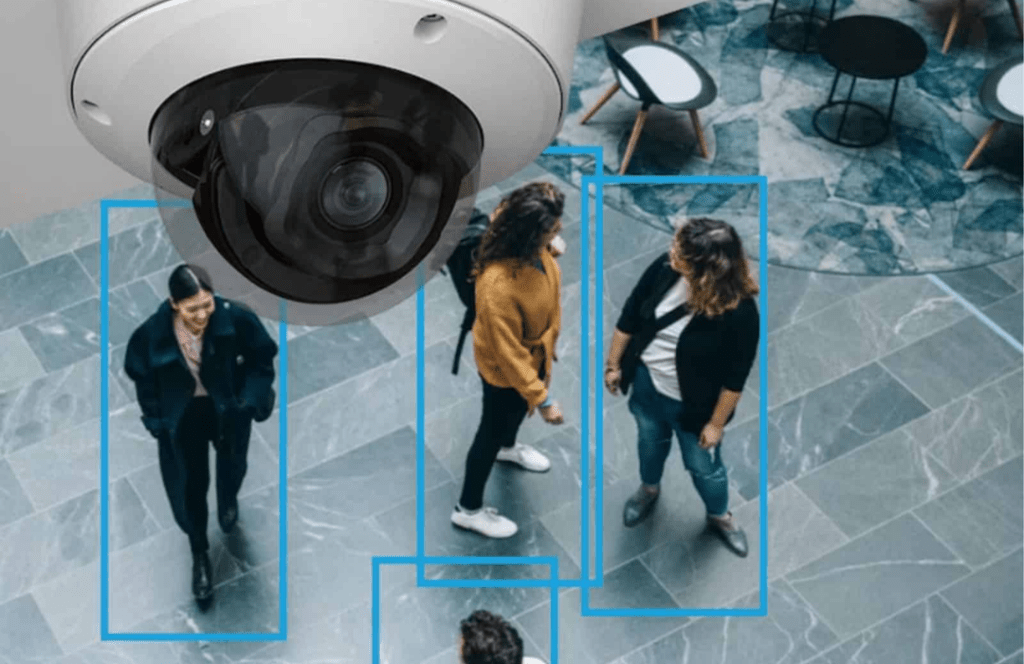
With a variety of security systems available, it’s often asked what is the best security system for large businesses. An aspect of this will depend on the type of large business, their industry as well as the number of employees on site. However, it is often recommended to cover all basis and use a combination of all types of security systems for maximum site and employee protection.
By installing a CCTV, intruder alarm and an access control system in a large business, the associated security risks they face will be significantly reduced. This then reduces the further impacts of crime, such as the financial loss and downtime of the business. For example, in the logistics and distribution sector, integrated systems are vital for tracking high-value assets across expansive warehouse floors.
Security systems aren’t just beneficial in reducing the risk of traditional crime, but can also help to lower the other risks specific to a large business such as the risk of contamination on a utilities site or reservoir. Data indicates that shoplifting offences in England and Wales rose by 37% in the last year, reaching the highest level in twenty years, which makes robust retail security measures more critical than ever for high-street brands and shopping centres.
If a large business has already invested in a security system, it is recommended to also have that system monitored. Security system monitoring means that all security systems are connected to a third-party central monitoring centre, which monitors 24/7, 365 days a year for any alarm or system triggers. This means that no activation is even missed or not responded to in some way. Not only does it help to quickly identify and eliminate false alarms, making for a more productive business, but it also enables the most appropriate response to be made for the triggered event, such as a police response.
Security system monitoring is considered important for large businesses especially if they are large or have multiple sites. It can often be hard to keep track of all security systems and components and is hard to respond to alarms in a timely manner, especially if they happen during the night. Remote monitoring allows a third party to take care of any system triggers and is a more secure and efficient option than if a large business were to do it itself. This is particularly relevant in healthcare facilities where 24-hour security is necessary to protect both sensitive equipment and patient safety.
To understand which security system is right for your large business, we recommend that you talk to your security provider. They should discuss with you your business and how you work, as well as cover your security needs and your top business risks. They should carry out a site survey and then make recommendations for your business. Every business is different and therefore a successful and effective security system should be bespoke to the site and will vary based on the associated risks and business type.
For those managing diverse portfolios, such as in property management, the solution must be flexible enough to cover residential, commercial, and communal spaces within a single framework. Reviewing commercial security trends can also provide insight into how AI and integrated sensors are changing the landscape of business protection.

At BusinessWatch we design and install bespoke security systems for large businesses. We are NSI Gold approved and are experienced in CCTV, intruder alarms and access control systems across multiple industries and are experts in our field. We proudly work with the very best manufacturers within the security sector, with all our CCTV suppliers being NDAA compliant.
The first step is to get in touch with the team. Discuss your needs and what you want to achieve from your security system. The BusinessWatch team will ask some questions and can book a free site survey, as well as give you a free, no-obligation quote.
Call us on 0330 094 7404 or email us by clicking here.


