


Closed-Circuit Television (CCTV) systems are often a critical part of workplace security. Many consider them essential to protecting a site, however there may be concerns surrounding employee surveillance. A key concern that frequently arises is whether it’s illegal for employers to watch employees on CCTV. In this article, we will explore the legal landscape surrounding this issue, shedding light on the rights of both employers and employees.
Whether or not employers watching their employees on CCTV is against the law is not a yes or no answer, as it is contingent on various factors. In short, in some cases or scenarios it might be, but in others it is not. It is therefore essential that employers and employees understand the legal requirements of the legal parameters surrounding CCTV surveillance and employee privacy.
Recent data highlights why this is such a pressing topic for modern management. As of late 2025, research shared by The Guardian indicated that around one-third of UK managers report their organisations are now using surveillance tools to monitor staff activity. This shift reflects a broader trend where technology is used to bridge the gap in office environments and hybrid setups, but it also increases the risk of legal friction if not handled with total transparency.
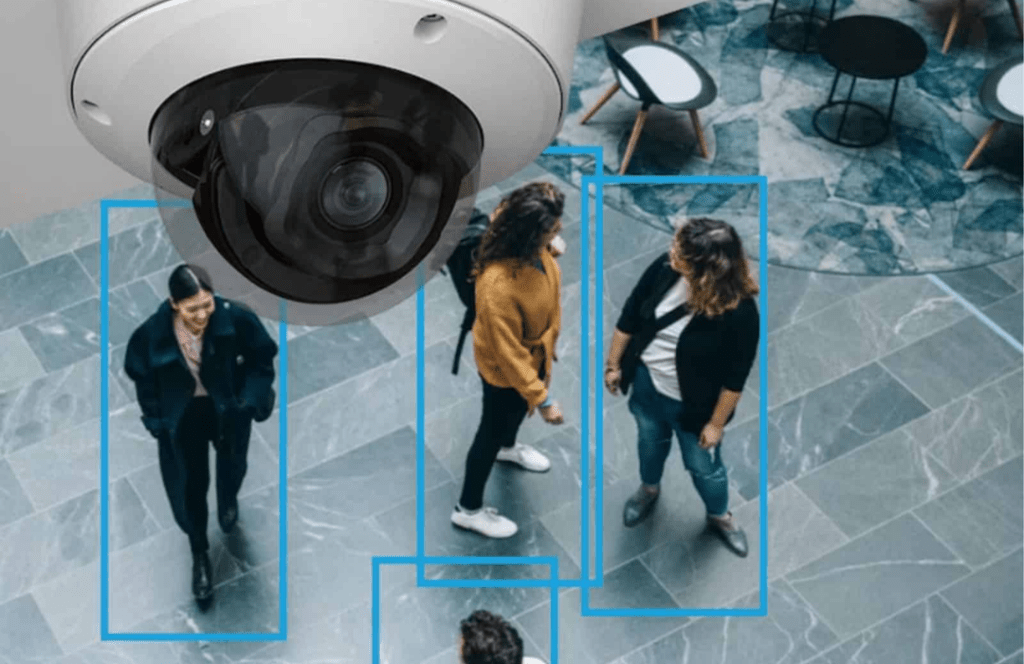
While employees have a reasonable expectation of privacy in certain areas, such as toilets or break rooms, the workplace is generally not considered a private space. Employers have the right to implement surveillance measures for security, safety, and operational purposes. Striking a balance between employee privacy and legitimate business interests is therefore crucial. It is also a legal requirement for businesses to define why they have implemented CCTV.
This is particularly important in high-stakes environments like logistics and warehousing, where safety monitoring is a priority. However, the Information Commissioner’s Office (ICO) emphasises that any monitoring must be necessary, proportionate, and address a specific problem that cannot be solved through less intrusive means.
In most scenarios, employers are required to inform their employees about the presence of CCTV cameras and the purpose of the surveillance. Clear signage and communication ensure transparency, and in some cases, obtaining employee consent may be necessary. Familiarity with local laws is imperative to stay within legal boundaries and be compliant.
A common mistake is using security footage for unrelated disciplinary matters without prior warning. For instance, if a system was installed purely for intruder detection and prevention, using that same footage to monitor a staff member’s arrival time could be seen as a breach of purpose limitation under data protection law. Ensuring your team understands whether it is legal to watch staff constantly is the first step in maintaining a compliant operation.

Employers can proactively address the issue of employee surveillance by developing comprehensive workplace policies. These policies should clearly outline the purpose of CCTV monitoring, the areas under surveillance, and the conditions under which monitoring may occur. Educating employees about these policies will contribute towards a transparent and informed work environment that will be reassuring for employees.
A robust policy should also integrate with your wider safety protocols, such as fire risk assessments, to show that surveillance is part of a holistic approach to site safety. By building a security-first culture, businesses can shift the perception of CCTV from a tool of suspicion to a vital component of employee protection.
While employers have the right to implement surveillance measures, excessive or intrusive monitoring can erode trust and create a negative workplace culture. Therefore striking a balance between security needs and fostering a sense of trust and autonomy among employees is vital for a healthy work environment.
In 2026, the rise of “bossware” and AI-driven analytics has led to increased scrutiny from unions and regulators alike. Businesses operating in the retail sector often find that visible security actually improves staff morale by providing a deterrent against external threats, provided the cameras aren’t turned inward to micromanage daily tasks. Understanding the role of security systems in preventing workplace violence can help explain the “why” behind your system to your staff.
Employers must stay compliant with local and national laws pertaining to workplace surveillance. In the UK, compliance with the Data Protection Act 2018 and the General Data Protection Regulation (GDPR) is essential and failure to comply can result in legal consequences.
New legislative updates, including the Data Use and Access Act, further clarify how businesses must handle personal data. This makes it more important than ever to ensure your access control and surveillance systems are managed by accredited professionals. You should also consider what insurers look for in system certification to ensure your coverage remains valid in the event of a claim.

In conclusion, the legality of employers watching employees on CCTV hinges on a careful consideration of privacy rights, legal obligations, and workplace policies. While employers have a legitimate interest in ensuring security and safety, respecting the privacy of employees is equally crucial. Providing employees with transparency, setting clear guidelines and obtaining consent when needed is a recommended way to make employees feel safe and their privacy protected within the workplace.
Effective monitoring should focus on remote monitoring benefits like rapid response to incidents rather than constant live-viewing of staff productivity. Properly implemented, these systems protect the business without compromising the dignity of the workforce.
If you’re looking to install a new or replace an old CCTV system, get in touch with the team. We design and install bespoke systems to address individual business needs and can also assist with ongoing CCTV maintenance and 24/7 monitoring.


