


Fire safety is a fundamental priority for businesses, essential for protecting people, assets, and operations. Fires can result in devastating losses, from property damage to life-threatening situations. Moreover, compliance with fire safety regulations is a legal responsibility. In this guide, we’ll explore five essential fire safety technologies every business should consider to enhance safety, minimise risks, and remain compliant.
Fire safety technologies encompass a range of tools and systems designed to detect, manage, and mitigate fire-related emergencies. These systems help ensure early detection, efficient management, and rapid response to fire threats. The foundation of fire safety systems is often fire alarms, but modern advancements incorporate sophisticated features like artificial intelligence (AI), automation, and predictive analytics. Fire safety trends highlight a shift toward proactive, data-driven protection rather than reactive measures.
Here are the top five fire safety technologies businesses should prioritise:
Fire detection systems have evolved beyond traditional fire alarms. These advanced systems leverage AI, machine learning, and multi-sensor technology to provide early and accurate detection, while reducing false alarms.
These systems enhance safety by identifying fires in their earliest stages, reducing damage and potential injury. They are particularly beneficial for businesses handling flammable materials or housing valuable assets. According to recent Home Office incident statistics, response times are critical, and systems that provide early warnings are vital for life safety. Following a serious fire, 25% of businesses never re-open, 80% of companies who don’t recover in a month are likely to go out of business and 75% of businesses without Business Continuity plans fail within 3 years. Advanced fire detection systems can prevent such outcomes, providing a robust safety net.

These systems are designed to detect and suppress fires automatically without human intervention. They utilise water, gas, or foam to control various types of fires.
These systems provide rapid, reliable responses to fires, minimising damage, ensuring safety, and reducing operational disruptions. They are invaluable for facilities with limited human presence or high-value equipment, ensuring 24/7 protection. In environments like a factory, suppression can be the difference between a minor incident and a total loss of production.

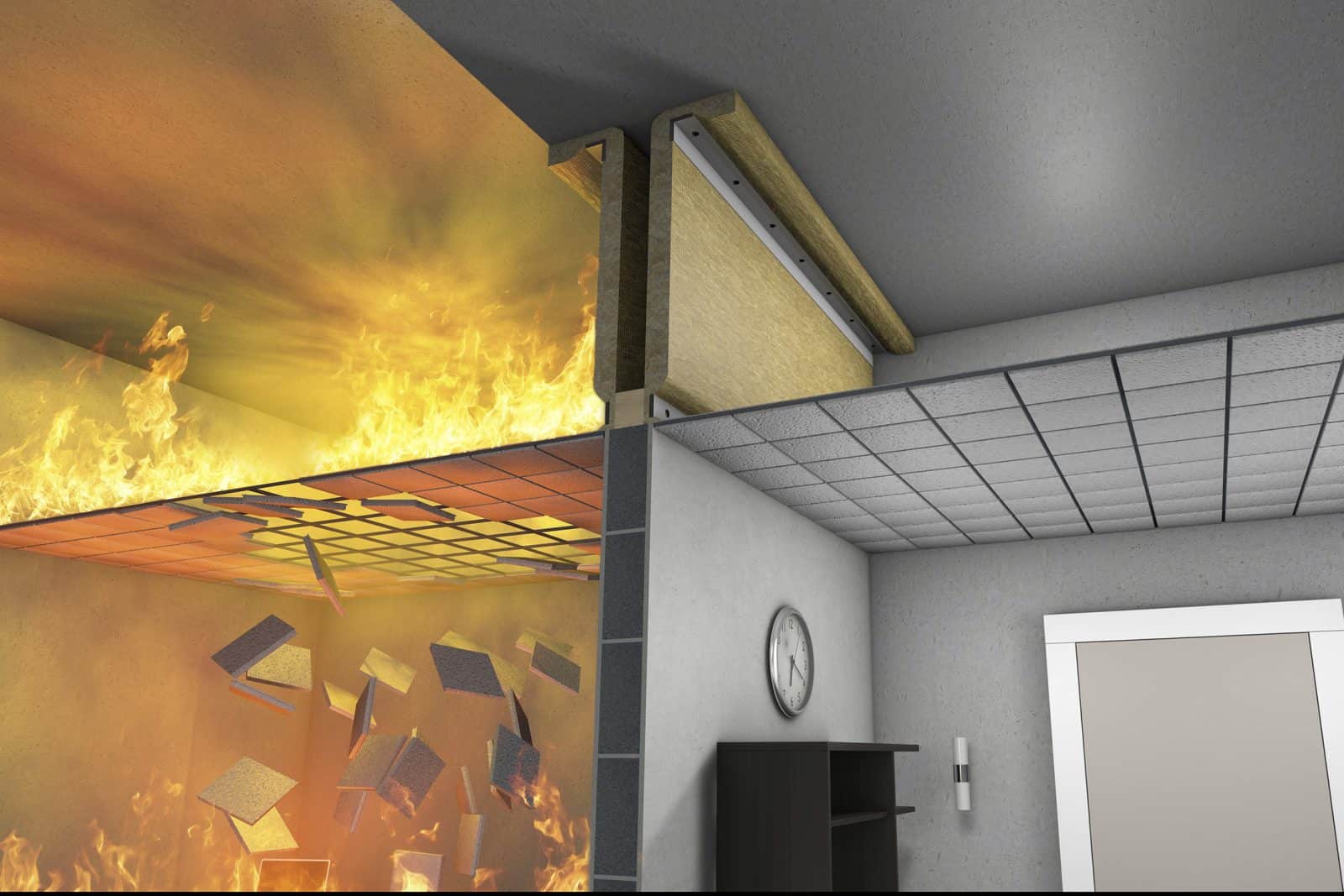
Fire-resistant building materials are engineered to slow or prevent the spread of fire, safeguarding structural integrity and providing occupants with critical time to evacuate.
These materials are essential for large-scale businesses, high-occupancy buildings, and high-risk environments like hospitals, schools, and industrial sites. By slowing fire progression, they protect lives, facilitate evacuations, and limit property damage, all while ensuring compliance with safety regulations. Understanding passive fire protection is a core requirement for modern building safety management.
These systems are designed to provide clear, timely alerts and instructions during fire emergencies, ensuring efficient evacuation of occupants.
In emergency situations, confusion and panic can delay evacuations. These systems ensure clear communication, helping occupants exit safely and efficiently. They are especially valuable for businesses operating in high-rise buildings or complex layouts, such as retail centres, where emergency lighting can save lives by illuminating escape routes during a power failure.

These platforms integrate fire safety systems with data analytics to provide centralised monitoring, management, and optimisation of fire safety operations.
These platforms streamline operations, enhance response times, and ensure systems are always ready for emergencies. They are particularly beneficial for property management firms overseeing multiple locations. Data shows that while fire incidents have decreased over the long term, the complexity of modern building materials requires smarter, more integrated detection platforms to manage risk effectively.

As we move through the year, the legislative environment surrounding fire safety continues to tighten. The UK government remains committed to high standards, particularly following the Fire Safety Act and subsequent amendments. It is vital for duty holders to understand their legal responsibility in fire incidents to avoid significant penalties and ensure the safety of all building users. This includes regular updates to fire risk assessments and ensuring that all technological installations meet current British Standards.
Fire safety technologies have made significant advancements, offering businesses powerful tools to prevent, detect, and respond to fire hazards efficiently. By integrating smart detection systems, automatic suppression, fire-resistant materials, emergency notification systems, and analytics platforms, businesses can significantly enhance safety while reducing risks.
These technologies not only safeguard lives and assets but also help businesses maintain compliance with legal regulations. Investing in fire safety is more than a regulatory requirement—it’s a critical step in protecting the future of your business. For those managing residential or mixed-use portfolios, staying informed on fire safety compliance for landlords is equally essential to meet the latest standards.
To ensure your workplace is equipped with the latest fire safety technologies, partner with experts who understand your unique needs.
Get in touch with BusinessWatch to explore tailored fire safety solutions and safeguard your business with cutting-edge technologies.


