

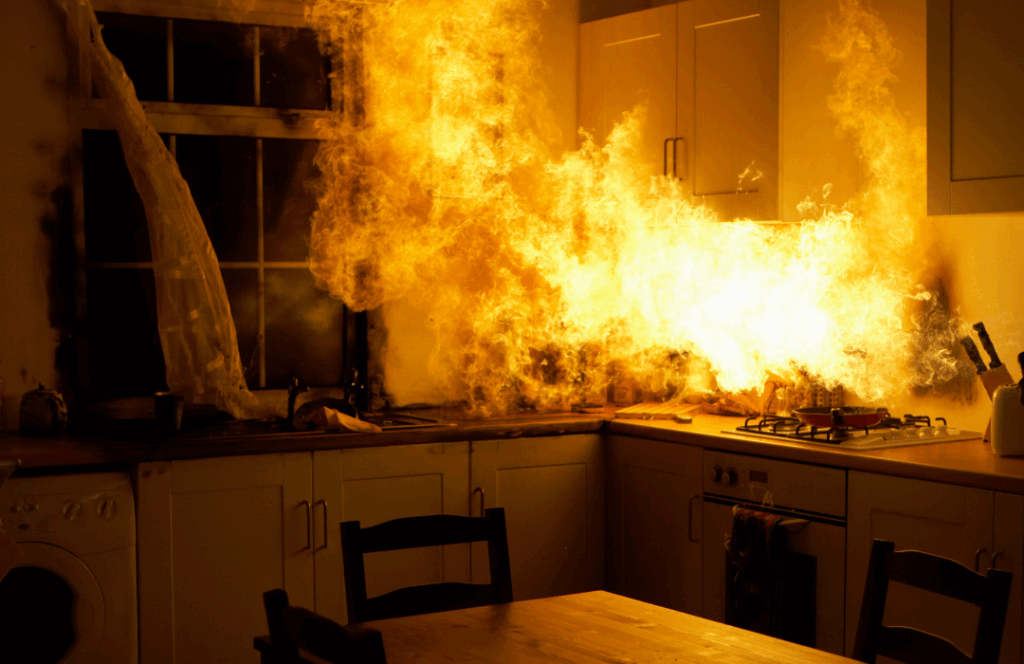
A workplace fire can be devastating. Beyond the immediate danger to people and property, the legal aftermath can be complex and costly. If a fire breaks out at your business premises, many wonder if you could personally be held liable. The answer depends on how well your workplace complies with fire safety laws, how responsibilities are delegated, and whether preventative measures were in place. In this blog, we’ll explore the legal responsibility in fire incidents at work, and how to protect your organisation from the severe consequences of non-compliance.
In the UK, fire safety in workplaces is primarily governed by the Regulatory Reform (Fire Safety) Order 2005 (often shortened to the Fire Safety Order). It applies to virtually all non-domestic premises, including offices, warehouses, factories, shops, schools, and care homes.
Under this legislation, the “responsible person” has a legal duty to ensure fire risks are managed. This role usually falls to the employer, building owner, occupier, or anyone with a degree of control over the premises. In some cases, multiple people may share this responsibility, such as landlords and tenants in multi-occupancy buildings. This shared accountability is particularly critical in complex environments like property management where the lines of duty can often blur between the freeholder and the leaseholder. Recent legislative updates, including the Fire Safety Act 2021 and the Building Safety Act 2022, have further clarified that external walls and flat entrance doors are now strictly within the scope of the Fire Safety Order, increasing the technical depth required for a valid fire safety audit.
Failure to meet these obligations? It is a criminal offence, with penalties ranging from heavy fines to imprisonment.
The “responsible person” isn’t just a title, it carries serious legal weight. By law, they must:
If these duties are neglected and a fire occurs, the responsible person can be held liable. For directors and managers, this means legal accountability doesn’t stop at the company, it can extend to individuals personally. This is why many organisations are now training fire safety ambassadors to ensure that daily checks and safety protocols are woven into the fabric of the company’s operations across every department.
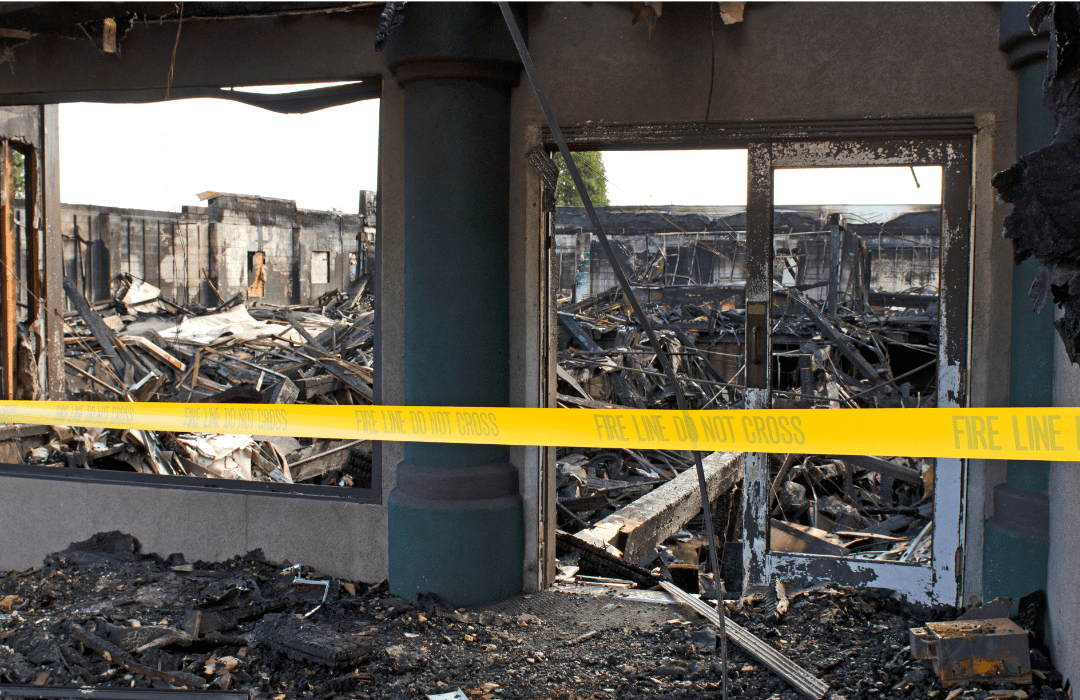
When fire safety responsibilities are overlooked, the consequences can be severe. Regulatory bodies, including local Fire and Rescue Authorities (FRAs), have the power to conduct inspections. If they find serious breaches, they can issue enforcement or prohibition notices to restrict the use of premises until safety standards are met. According to latest UK government incident statistics, Fire and Rescue Services attended over 177,000 fires in the last year, highlighting the persistent nature of the threat.
If a fire actually breaks out and results in injury or death, investigations will focus on whether proper precautions were taken. With approximately 7,000 workplace fires recorded in the past year, they’re not unheard of! Many of these incidents occur in high-risk environments such as the waste management sector, where combustible materials and machinery create a volatile mix if not monitored correctly.
If negligence is proven, directors or owners can face prosecution. A lack of fire risk assessments, faulty alarms, blocked escape routes, or untrained staff are all common failings that have led to successful prosecutions in the past. Understanding your legal responsibility is the first step toward avoiding these pitfalls.
For example, in recent years, several UK businesses have faced six-figure fines after inadequate fire safety measures led to avoidable risk. In some cases, managers were handed custodial sentences, demonstrating that liability is very real. Data indicates that fire safety enforcement remains a top priority for authorities, with thousands of formal notices issued annually to businesses that fail to provide adequate protection for their occupants.
When determining liability after a workplace fire, several questions are asked:
The answers to these questions directly influence whether liability falls on the organisation, its directors, or both. Importantly, ignorance of the law is not an acceptable defence. This is particularly true in specialised settings, such as healthcare facilities, where the “Responsible Person” must account for the evacuation of vulnerable patients who may cannot escape unaided.
Workplace fire incidents can give rise to both civil and criminal consequences.
Criminal liability arises when laws like the Fire Safety Order are breached. This can lead to prosecution, fines, or imprisonment for the responsible person.
Civil liability involves claims brought by employees, visitors, or others harmed by the fire. If an employer is found negligent, they may be ordered to pay compensation for injuries, trauma, or losses. To mitigate this, many companies are looking at predictive maintenance for fire systems to catch faults before they lead to system failure and subsequent legal claims.
In many cases, businesses face both. The reputational damage, combined with financial penalties, can be catastrophic.
While insurance plays a critical role in recovery after a fire, it does not shield businesses from liability. Insurers may refuse to pay out if it emerges that legal obligations weren’t met. For instance, if you failed to maintain certified fire alarms or didn’t carry out risk assessments, your policy could be invalidated.
This means compliance isn’t only about legal protection, it’s also about ensuring that your insurance provides the safety net you expect in the aftermath of a fire. Insurers are increasingly looking for high levels of system integrity, often rewarding businesses that invest in monitored fire alarm systems that ensure an immediate response even when the building is unoccupied.
Avoiding liability requires more than installing equipment, it means embedding fire safety into your workplace culture. Businesses should adopt a proactive approach where fire safety is seen as everyone’s responsibility, not just the facilities manager’s. This is vital in the retail sector, where high footfall and changing stock levels can create new hazards daily.
Practical steps include:
These practices not only reduce the risk of fire but also provide clear evidence of compliance should an incident occur. Adopting modern fire safety technologies like smart sensors and IoT-connected panels can further demonstrate a commitment to going beyond the bare legal minimum.
Understanding legal responsibility in workplace fire safety is not optional, but essential. The law is clear: employers and those in control of premises must take proactive steps to manage fire risks. Failure to do so exposes both businesses and individuals to serious consequences, including prosecution, fines, and prison.
By embedding a culture of fire safety, ensuring systems are certified and maintained, and keeping staff trained and prepared, you can dramatically reduce your risk of liability. In industrial environments like a factory, where machinery and heat sources are prevalent, these protocols are the only thing standing between a minor incident and a total loss of assets and legal protection.

At BusinessWatch, we understand how overwhelming fire safety responsibilities can feel for business leaders. That’s why we provide end-to-end support, including:
Working with BusinessWatch ensures your workplace is not only safe but also legally compliant, helping you understand your legal responsibility in fire incidents, reducing your risk of liability and protecting your business from devastating consequences.
Fire safety isn’t just a compliance box to tick, it’s a legal and moral obligation – legal responsibility in fire incidents is important! Don’t wait for an inspection or, worse, a fire incident to highlight shortcomings.
Contact BusinessWatch today on 0330 094 7404 to discuss fire risk assessments, certified alarm systems, and training tailored to your workplace.


