


Building design has come under massive scrutiny within the last couple of years in terms of the levels of fire safety being achieved. From the complexities of evacuation to how the building would respond if a fire were to break out, there is a lot to consider when designing a building that goes far beyond aesthetics. In this blog post, we’ll do a deep dive into the topic, providing you with everything you need to know to understand the impact of building design on fire safety.
All buildings must be designed to provide an acceptable level of fire safety and minimise the risks from increased heat and smoke on the building itself as well as the surrounding area and occupants. Minimising the risk of death and injury is of key importance and enabling a quick and safe evacuation in the event of a fire is essential.
The case of Grenfell Tower in West London is now a firm example of a building design that failed to meet the necessary fire safety needs, resulting in 72 deaths and 70 injured. It has also been reported as the deadliest structural fire in the UK since 1988.
Following the publication of the Grenfell Tower Inquiry Phase 2 report, the UK government has introduced stringent new measures to ensure that high-risk residential buildings meet rigorous safety standards from the initial design phase through to occupation. These legislative shifts highlight that what landlords must know about fire safety compliance has evolved significantly, with a greater emphasis on the “golden thread” of information regarding a building’s design and structural integrity.
As well as occupants, it is also important that a build’s design allows the building to continue to function after a fire, allowing it to withstand a certain amount of damage. Developing a business continuity plan with fire and security in mind ensures that the structural design supports a rapid return to operations, protecting both assets and livelihoods.
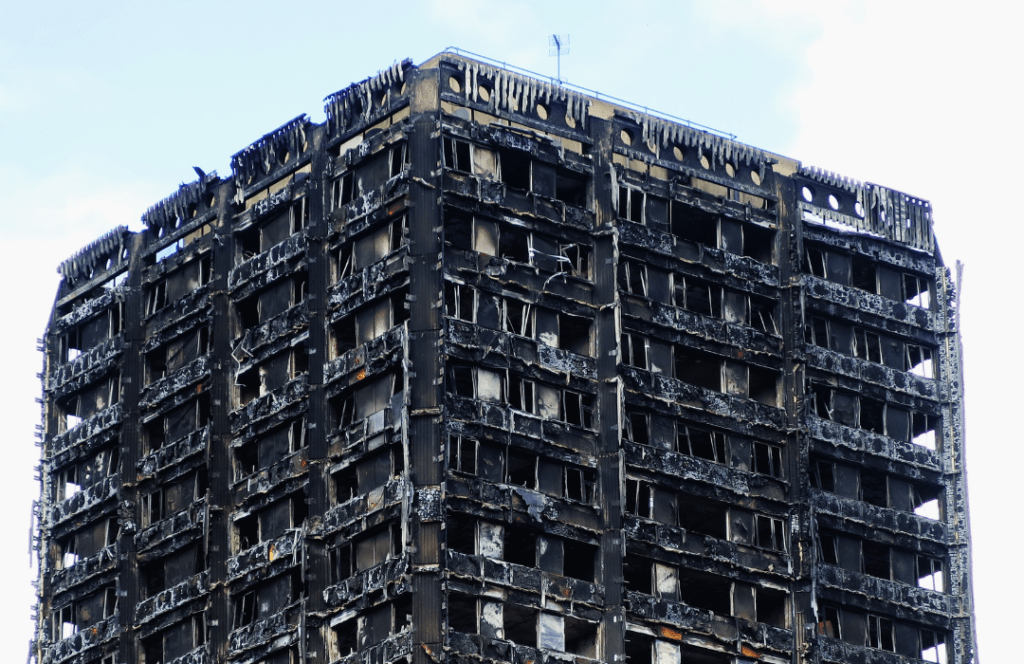
How a building is designed can significantly impact how a fire starts, how it spreads and ultimately how it is controlled.
Those in charge of a building’s design need to choose their materials, both external and internal, carefully, to ensure they are fire-resistant and can also act to slow down the spread of fire and smoke, giving occupants as long as possible to escape and the emergency services to arrive to out of the fire. In 1987, Kings Cross Station in London experienced a large fire in which the type of paint used led to the spread of fire and the severity of the incident.
The way a building is constructed will also impact its level of fire safety. Compartmentalisation is now commonly used to divide up a building into sections with fire-resistant barriers (such as fire doors) in between. Therefore if a fire were to break out in one compartment, its spread would be limited and slowed down massively, decreasing potential damage to the building and improving survival rates. Effective passive fire protection is a cornerstone of modern architecture, utilising fire doors in commercial properties to create life-saving barriers that buy time for evacuation.
In terms of escape routes and exits, accessibility and emergency lighting are key aspects of building design that need to be understood to ensure adequate fire safety. Designing clear and accessible escape routes is vital for quick evacuation in the event of a fire, which also includes route suitable for wheelchair use. Emergency lighting should also be installed to guide people to safety in the case of a power failure during a fire. Understanding how emergency lighting can save lives is crucial, as the latest UK government statistics indicate that smoke and fumes remain the leading cause of fire-related fatalities, making clear, illuminated visibility during evacuation a top priority.

Overall layout and design need to be critically thought out for good fire safety of a building. Although open spaces are modern and aesthetic, they can contribute to the spread of fire. As mentioned previously, buildings that have compartmentalisation allow internal barriers to be in place to stop the spread.
Some larger buildings may also feature atriums, lobbies and reception areas which tend to be large open spaces. These again will oppose a higher risk of the spread of fire and need to be considered. Within an office environment, the layout must balance collaborative spaces with safety zones that prevent smoke from traveling between floors or wings.
High-rise buildings hold varying fire safety risks compared to lower buildings and sites. Their tall structures can hold the potential for evacuation and spread issues. Therefore special considerations need to be made in terms of fire-resistant materials, evacuation plans and pressurised stairwells. In many complex structures, fire safety challenges for high-rise office buildings often include managing vertical fire spread through external cladding or ventilation shafts.
All buildings will need an adequate fire suppression system installed, such as sprinkler systems and fire alarms. These should be integrated into the building designs to give occupants early warning of fire and allow them to evacuate without coming to harm. Integrating these with modern CCTV systems can provide visual verification to building managers during an alarm event, improving response times.

As important as it is for occupants to evacuate, it is equally important that the emergency services can enter the building quickly and easily to deal with the outbreak and take control of the incident. Surround roads and access points need to be taken into consideration when designing a building so that fire engines and other vehicles can provide a rapid response. In addition, the nearby location of water sources and fire hydrants is essential for firefighters to address the fire. Modern building information modelling (BIM) now allows designers to map these access points with precision, ensuring that first responders are never delayed by architectural oversights.
Regular maintenance and inspections of buildings and their design are essential in ensuring adequate fire safety standards are being met. A build’s design should help facilitate easy access for routine inspections of fire safety systems, equipment and other structural elements.
A building should also have its own maintenance protocols in place to ensure it is kept up to date and in good working order over time. This is particularly vital in specialised environments like the healthcare sector, where fire safety systems must be operational 24/7 without fail. To stay ahead of potential issues, many facilities are now exploring predictive maintenance in fire safety systems, using IoT sensors to identify faults before they lead to system failure.
A building’s design should also take into account human behaviour and how occupants are likely to use the building, as this will have an impact on its overall level of fire safety. Providing clear signage on evacuation routes and carrying out regular fire drills help to familiarise occupants and prepare them to act calmly if a real fire were to occur. It is increasingly important to focus on creating fire safety champions within your team to guide others during a crisis, bridging the gap between design-based safety and human action.

Understanding the impacts of building design on fire safety leads to the need for effective fire safety strategies to manage these impacts. According to recent data on fire incidents in Great Britain, while the number of fires has fluctuated, the importance of structural resilience remains paramount. These design strategies will cover five key areas including:
Implementing these strategies requires an integrated approach that considers both active and passive systems. For instance, the retail sector faces unique challenges where high footfall and large inventories require specialised containment strategies to protect the public. By addressing these five areas during the design phase, architects and business owners can ensure that a building is not just a place of work, but a secure environment for all.
At BusinessWatch we are experts in fire safety for businesses and their sites and buildings. Whether you are developing a new building, have renovated or updated a site or need to upgrade the current level of fire safety at your business, our team is ready to help. Our Fire Consultancy Service gives you a bespoke service with our fire safety experts, helping you create a fire safety strategy and building plan that is compliant, practise and easy to follow.


