

Fire can be a devastating incident that can negatively impact all aspects of a business, meaning protecting assets, employees, and infrastructure from fire hazards is essential. Traditional fire detection systems are effective, but advancements in technology have given rise to new tools and strategies for early fire detection. One such innovation is the integration of thermal imaging cameras into fire detection systems. In this article, we’ll explore the crucial role of thermal imaging cameras in fire detection for businesses.
As we move into 2026, the UK has seen a shift in how commercial properties manage safety. According to the latest government fire and rescue incident statistics, fire and rescue services in England attended over 623,000 incidents in a single year, highlighting the persistent threat businesses face. Modern security is no longer just about reacting to smoke; it is about identifying the precursors to ignition. By understanding the future of fire detection sensors and real-time analytics, companies can adopt a proactive stance that saves lives and prevents catastrophic property loss.
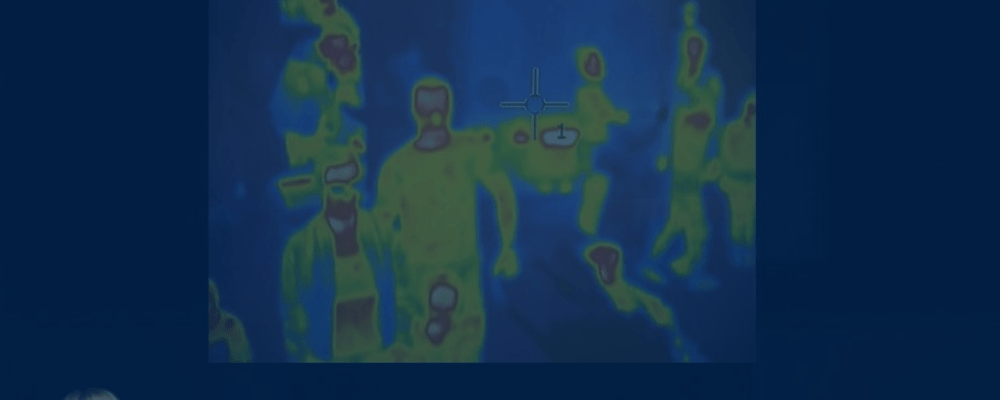
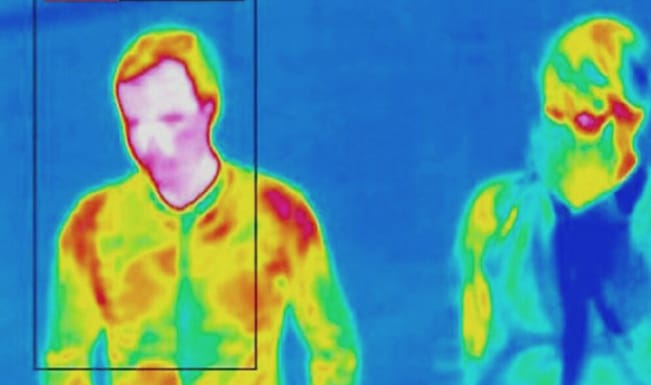
Thermal imaging cameras, also known as infrared cameras or thermographic cameras, work by detecting heat signatures rather than visible light. These cameras capture the infrared radiation emitted by objects and convert it into a visible image, showing variations in temperature. Higher temperatures can therefore be easily identified and quickly detected by the colour of the thermal image. In terms of security, a thermal camera would be able to pick up an individual or intruder on camera, based on their body temperature. In terms of fire detection, an overheating piece of equipment or electrical device can be identified as a potential fire risk, or an actual fire can be detected via thermal imaging cameras.
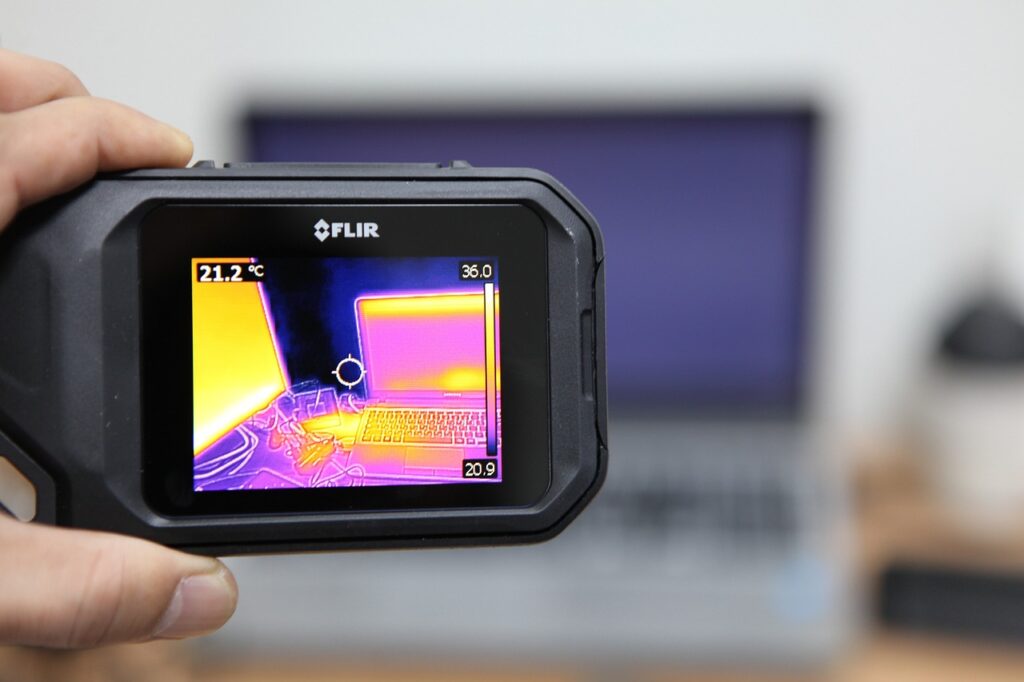
Thermal imaging cameras excel at detecting anomalies in temperature. In a fire, even before flames are visible, there is a signficant increase in temperature. Thermal cameras can detect this temperature rise, alerting you to the potential fire long before it becomes a full-blown blaze. Early detection is crucial for minimising damage and ensuring the safety of occupants. This technology is particularly effective for protecting against arson where external heat sources may be introduced to a building perimeter.
Smoke and darkness can obscure visibility in traditional fire detection systems. However, thermal cameras are unaffected by smoke and can identify hotspots and flames in low visibility. This capability ensures fires are not overlooked in challenging environments. For many businesses, securing premises after hours relies on this ability to “see” through the pitch black of a locked warehouse or factory floor.
Thermal imaging cameras are less prone to false alarms triggered by dust, steam, or non-fire-related events, unlike other fire detection systems. Fire false alarms remain the largest reason for Fire & Rescue Services attending incidents, with data showing that false alarms continue to account for a massive portion of annual call-outs in England. Thermal imaging cameras’ ability to focus on heat signatures means fewer false alerts, reducing the risk of unnecessary evacuations and operational disruptions that can result in costly downtime for a business.
Thermal imaging cameras can be seamlessly integrated with existing fire alarm and suppression systems, to create a strong line of defence against fire, in terms of prevention and fast detection. There is significant importance in integrating intruder alarms with fire safety systems to provide a unified response. When a potential fire is detected, the fire safety system can trigger alarms, initiate sprinklers, or activate other gas fire suppression measures automatically.
Many thermal imaging cameras are equipped with remote monitoring capabilities, allowing security personnel to view live thermal imagery from a central control room. This real-time assessment enables rapid response to fire threats. There are numerous benefits of remote monitoring for fire and security systems, including the ability to verify a fire visually before dispatching emergency services.
Early fire detection with the use of thermal imaging cameras is a cost-effective investment. By alerting a site to a potential fire before it breaks out, they can help prevent extensive damage to property, inventory, and equipment. This reduction in risk can also be beneficial when discussing how fire safety impacts your commercial insurance premiums with your provider.
Thermal imaging cameras can benefit any industry and aid fire detection. Examples include:
The manufacturing industry can use thermal imaging cameras to help protect production lines and critical machinery from overheating and a fire breaking out. Constant heat monitoring allows for predictive maintenance in fire safety systems, identifying faulty components before they fail.
Safeguarding valuable inventory and storage facilities against fire can be carried out by the installation of thermal imaging cameras. In the logistics sector, where large volumes of goods are moved quickly, early heat detection is vital.
High-footfall areas such as those found in the retail sector or the leisure industry require rapid evacuation capabilities. Thermal imaging helps staff identify the source of a heat spike instantly, allowing for a managed response.
Thermal imaging cameras can ensure patient and staff safety against the breakout of fire, within healthcare facilities.
Detecting fire within offices, hotels, and retail spaces with thermal imaging cameras can protect them from devastating outcomes. For those in property management, these systems provide a high level of oversight for multi-tenant buildings.
Data centres house much electrical equipment and are therefore at high risk of fire. Preventing fire-related disruptions in critical IT infrastructure can be detected early with the use of thermal imaging cameras.
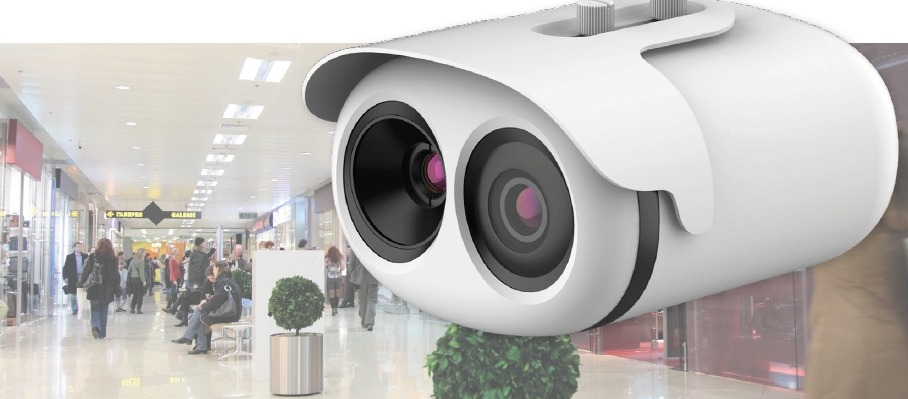
Incorporating thermal imaging cameras into a business’s fire detection system can be a game-changer in safeguarding assets and ensuring the safety of occupants or staff. These cameras offer early detection, enhanced visibility, and reduced false alarms, making them a valuable addition to any comprehensive fire protection strategy. By identifying fire early, an organisation can quickly act to prevent the fire from coming ablaze or can distinguish it quickly.
Beyond detection, businesses must ensure they meet the latest regulatory requirements. For example, updated fire safety guidance for UK building owners emphasises the importance of robust risk assessments and the implementation of advanced technology to mitigate hazards. Thermal imaging is therefore a key component in a modern, compliant safety strategy.
As technology continues to advance, thermal imaging cameras are becoming more affordable and accessible for businesses of all sizes. Although an initial investment, this technology not only helps protect a site and allows for early fire detection, but also provides peace of mind.
The cost of thermal imaging cameras will vary with every site. Factors such as the size of a site, the number of cameras needed as well as the types of cameras will all impact the overall cost. Whether a site chooses to have its cameras remotely monitored or not will also impact the cost. We recommend that you get in touch for an accurate cost. You can contact us today for a free quote.
BusinessWatch are experts in thermal imaging cameras and their installation, maintenance and monitoring. We are NSI-Gold approved and BAFE accredited, meaning we perform to the very highest and latest industry standards. Trusted by the leading organisations in the UK, you can find out more about our thermal imaging service here.


