

Heard about fire alarm monitoring or thinking about implementing it into your fire safety strategy? We’ve got all the information you need to know and most importantly, what does a fire alarm monitoring company do?
Fire alarm monitoring is the implementation of a third-party monitoring provider, who will provide 24/7 monitoring of the entire system, quickly identifying any alarm triggers and providing immediate action such as the sending of the emergency services.
Fire alarm monitoring provides a quicker and more reliable response to fire alarm triggers compared to a non-monitored system and can also help to reduce false alarms. This is particularly vital for high-risk environments such as waste management facilities or large-scale logistics hubs, where a delayed response can lead to catastrophic inventory loss.
Did you know that in just London alone, emergency services attended 38,000 false alarms? That’s 104 a day! More recent data shows that false alarms continue to place a massive burden on resources, with Home Office statistics for the last year revealing that fire and rescue services in England attended 247,532 false alarms, accounting for 41% of all incidents. This highlights the critical role of a professional monitoring partner in filtering out non-emergencies before the fire brigade is dispatched.
Fire alarm monitoring is relatively simple to set up and works by the monitoring provider connecting your fire alarm system to their alarm receiving centre so that they can constantly monitor your system for any alarm activations. For many organisations, the transition to cloud-based security has made this integration even more seamless, allowing for real-time data transmission and better diagnostic reporting.
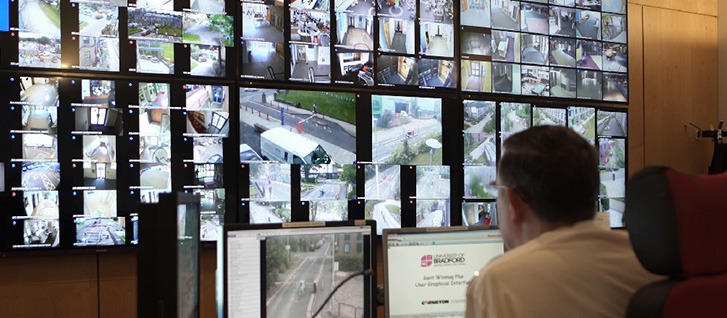
Each alarm monitoring centre will have a team of monitoring operatives who are highly trained to identify and respond quickly and calmly to any alarm triggers. Here are the steps that take place when a fire alarm is triggered for a monitored fire alarm system.
Integrating these protocols into your business continuity plan ensures that your operations can recover quickly following an incident. Furthermore, choosing between wired vs wireless fire alarm systems can impact how these signals are transmitted, though both can be effectively monitored by a modern ARC.
Monitoring companies can respond in a number of ways to fire alarm system triggers. They have the capabilities to action extremely fast responses and can identify and action a response in a matter of minutes, therefore providing the least chance of fire damage.
The response is most likely to always involve the fire brigade, but could also include other emergency services depending on the severity of the incident, such as the police. In complex environments like healthcare settings or education campuses, the response must be tailored to specific evacuation needs and life-safety requirements.
In addition to an emergency response, the monitoring company will also carry out the agreed protocol with the business site, such as contacting key individuals about the incident. This level of oversight is a core component of connected managed services, where fire and security systems work in tandem to provide a holistic view of building safety.
Beyond immediate fire detection, modern monitoring often includes technical health checks. The Fire Industry Association notes that equipment failure is a leading cause of missed fire detections, so having a provider that monitors for system faults as well as fires is a major advantage. This proactive approach is part of an emerging fire safety trend, moving away from reactive maintenance toward real-time system health oversight.
A fire alarm monitoring company, therefore, have a very important role in protecting sites and businesses with a monitoring contract in place. Not only can they improve the overall safety of a site and increase the protection of employees and visitors, but they can also reduce false alarms, improve business productivity and save the emergency services valuable time and money.
Effective monitoring also supports your wider legal obligations, which you can learn more about in our guide on legal responsibility in fire incidents at work. By ensuring a rapid response, you are demonstrating due diligence in protecting your staff and assets.
If you’re interested in a new monitoring contract, get in touch. We can set up a new contract for you or transfer you over from a previous one.


