


Fire safety is a crucial aspect of building design and operational planning across all sectors, but in healthcare facilities, the stakes are higher. In healthcare environments, the challenges in ensuring fire safety are often unique and multifaceted. In this blog, we dive into the special considerations we must account for healthcare facilities when it comes to fire safety.
Fire safety in healthcare facilities like hospitals and care homes is on the tip of everyone’s tongue. This comes from figures released by NHS Digital revealing an 18% increase in reported fires, which translates to almost four per day across the NHS. An alarming statistic that needs to be addressed. More recent data suggests that fire safety remains a critical priority for the Department of Health and Social Care, as UK government fire statistics for England highlight thousands of incidents in non-dwelling buildings, including hospitals and care homes. Beyond the immediate risk to life, these incidents disrupt essential medical services and can lead to astronomical repair costs for the healthcare sector.

Healthcare facilities are complex places with complex needs. Vulnerable patients, complex layouts, and a range of specialised equipment mean special considerations are needed when planning and implementing effective fire safety measures. Here are five key special considerations that need to be taken on board.
The most significant challenge healthcare facilities face is the presence and protection of vulnerable occupants. In hospitals, care homes, and hospices, many patients may be unable to move independently due to age, illness, injury, or disability and therefore depend on staff for assistance during evacuation, which complicates emergency and evacuation procedures. Following the introduction of the Fire Safety Act 2021, there is an even greater emphasis on the legal responsibility of building owners to account for all residents, particularly in multi-occupancy healthcare environments.
Firstly, the mobility issues of some patients need to be considered when thinking about fire safety plans. Some patients may be bedridden or need to use wheelchairs. Additionally, some patients may have cognitive impairments that may mean they may not understand certain instructions or the danger of fire. Therefore they may need additional support. Latestly, some vulnerable patients may be in critical care such as in intensive care units, in surgery or supported by life-support machines. A fire safety plan needs to be made to accommodate everyone and every situation.

Healthcare facilities often have intricate and sprawling layouts, with different wards, operating theatres, laboratories, and patient rooms spread across multiple floors and wings. This complexity can hinder swift evacuation and complicate fire suppression efforts in the event of an emergency.
Many modern healthcare facilities, especially hospitals, are large with multiple floors, which could increase evacuation times. Access routes must therefore be clearly signposted and accessible for the emergency services as well as for occupants to escape. It’s also worth noting that many healthcare facilities in the UK are housed in older buildings, some which may not have been designed with modern fire safety standards in mind. In high-rise environments, there are specific fire safety challenges that require advanced smoke control and lift management systems.

Healthcare facilities often house equipment and materials that present additional fire risks, such as oxygen tanks, flammable chemicals or electrical devices used in patient care. The combination of these items could exacerbate a fire or create unique challenges in fire suppression.
Areas like operating theatres or certain wards may be oxygen-rich environments, which can cause an accelerated spread of fire. This needs to be considered when designing fire safety for hospitals and other healthcare facilities. Electrical equipment is also widely used in the industry and powers critical machinery like ventilators and monitors, all of which need to be protected from causing a fire or being impacted by one. Lastly, many healthcare facilities have onsite laboratories that house various flammable chemicals that pose a fire risk.
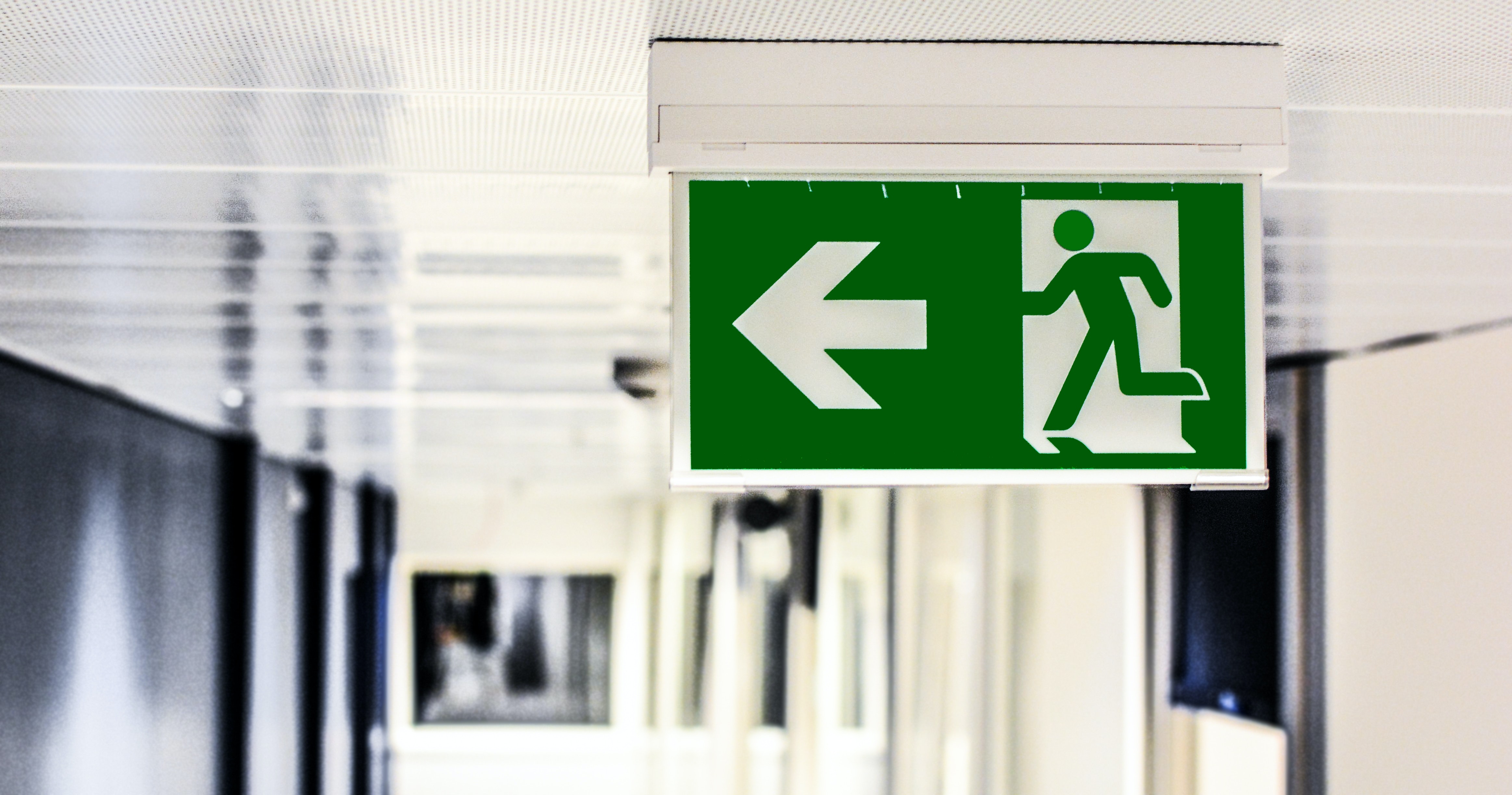
Healthcare facilities often need tailored evacuations strategies, as the standard “get everyone out” technique may not be feasible, due to the condition of patients and the complexity of the environment. In some cases, evacuation might even pose a greater risk to patients than the fire itself.
Most often, the best course of action in healthcare facilities is to not evacuate patients immediately but to safely move them to a nearby fire-safe compartment within the building, commonly called a ‘defend-in-place’ strategy. Certain evacuation aids are also needed, like evacuation sheets, stair chairs and fire safe lifts to help aid those unable to walk or move quickly. In addition, staff should conduct regular fire drills to practise using necessary equipment.
In modern healthcare environments, fire safety does not exist in a vacuum. To ensure the highest level of protection, fire detection must be integrated with other building management systems. For example, linking intruder alarms with fire systems can provide a unified response during a crisis, while access control installation must be configured to automatically release secure doors along evacuation routes when a fire is detected. Furthermore, using CCTV monitoring allows fire wardens and emergency responders to visually confirm the location of a fire or identify patients who may be trapped in smoke-filled areas. This holistic approach is becoming the standard for smart fire systems in 2026, allowing for data-driven decisions that save lives.

Fire safety in healthcare facilities involves a unique set of challenges due to the presence of vulnerable occupants, complex layouts, specialised equipment, and regulatory pressures. The number of fires attended by rescue services in England remains significant, with 642,170 incidents attended in the last year, of which fires accounted for 28%, underscoring the need for robust, professionally managed safety protocols.
BusinessWatch are experienced in expert fire safety in the healthcare industry and are well-trusted by leading organisations in the creation of bespoke fire safety solutions for numerous facilities. From fire risk assessments and fire prevention measures, to staff training and compartmentalisation, we can significantly reduce the risks posed by fire, safeguarding both patients and staff. To see how we have helped similar facilities, you can explore our latest case studies or learn about our industry accreditations that ensure we meet the highest safety standards.
For more information or for a bespoke quote, get in touch by clicking here.


